What to know about Islington Council rules for street flowers
Posted on 26/09/2026
If you are looking into What to know about Islington Council rules for street flowers, you are probably trying to do something simple and lovely without accidentally causing a fuss on the pavement. Fair enough. A small pot of flowers outside a shop, a neat planter by a doorway, or a seasonal display on a residential street can brighten a whole stretch of Islington in one afternoon. But street-level planting is not just a matter of picking pretty blooms and placing them where there is a gap.
In Islington, as in most parts of London, the practical questions matter: is the location public highway land, do you need permission, will the display block foot traffic, and who is responsible if a planter tips over or flowers become a trip hazard? This guide walks through the rules in plain English, with enough detail to help you plan properly and avoid the common mistakes that can turn a charming idea into an awkward complaint.
You will also find useful, real-world advice on how to present a tidy application, what to think about before you buy materials, and when a florist or community group might need to be extra careful. Let's get into it.
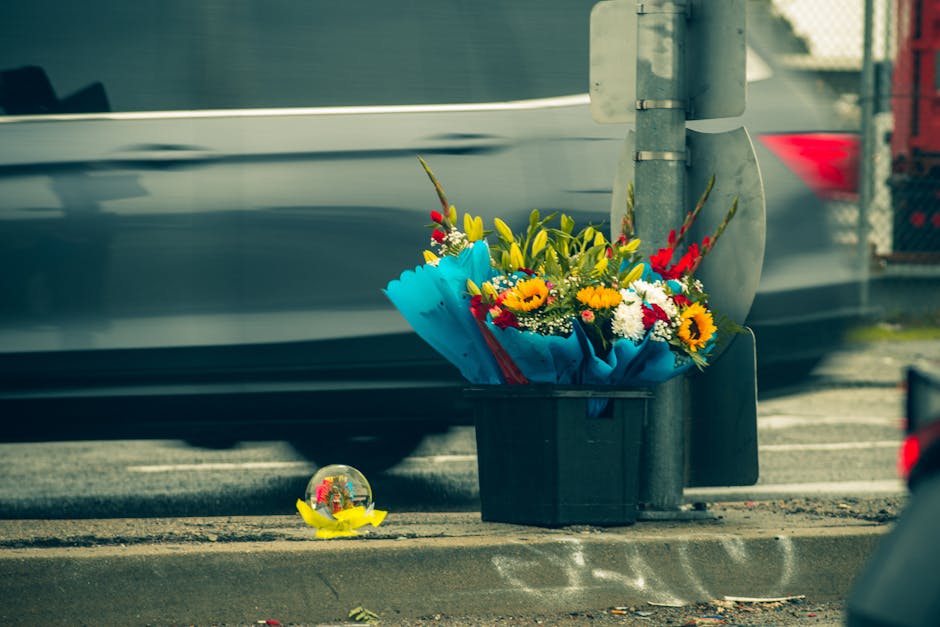
Why What to know about Islington Council rules for street flowers Matters
A street flower display looks harmless. Usually it is harmless. But the minute anything is placed on or near the public pavement, a few responsibilities appear. That is the bit people often miss. The council's concern is not about flowers as such; it is about safety, access, maintenance, and the visual order of the street.
In a busy borough like Islington, pavements can already be tight. You get pushchairs, wheelchairs, deliveries, bins, bikes, cafe tables, and the general London shuffle all competing for space. A planter that feels small beside your front step can feel massive to someone trying to pass at 8:30 on a wet Tuesday. And wet pavements, to be fair, make every edge seem sharper.
That is why checking the rules matters before you plant anything outdoors in a public-facing spot. It helps you avoid:
- blocking the footway or creating an obstacle for pedestrians
- placing items on council land without consent
- creating drainage, stability, or trip risks
- causing neighbour complaints that could lead to removal
- wasting money on a display that cannot stay where you put it
It also helps when you want something more ambitious than a vase by the door. If you are setting up a floral storefront edge, a community planting scheme, or a seasonal street display, the practical side matters just as much as the aesthetic one.
Key point: a beautiful street flower arrangement is usually welcomed when it is tidy, safe, and properly positioned. Trouble begins when it spreads into shared space without permission or common sense.
How What to know about Islington Council rules for street flowers Works
The basic idea is straightforward: if flowers, planters, baskets, stands, or decorative items are placed on land that is not fully private, you need to think carefully about consent and public access. In practice, the issue often comes down to where the item sits and whether it affects the highway or pavement.
There are a few common scenarios:
1. Flowers on fully private property
If the flowers stay within your own boundary, the council is usually not the main issue. For example, a window box fixed securely to private brickwork, or a planter fully inside a front garden, is normally a private matter. Even then, you should still consider visibility, drainage, and whether anything could fall or spill outward.
2. Flowers at the edge of a shopfront or entrance
This is where things get more delicate. If your display is right at the threshold, you need to be sure it does not spill onto the public footway or create an access problem. A small arrangement can still cause issues if it narrows the usable pavement. Shopfronts in particular need to think about customers, delivery drivers, emergency access, and passers-by with mobility needs.
3. Flowers on pavement or highway land
Once anything sits on the public pavement, the permission question becomes much more serious. The council may treat planters, floral stands, or decorative barriers as items that need approval or may not be allowed at all in some circumstances. The exact position matters. A planter tucked into a recess is not the same as one projecting into the walking line.
4. Temporary floral displays for an event
A one-day display for a wedding, remembrance event, charity activity, or street celebration can still need permission if it affects public land or traffic flow. A good rule of thumb: the more the display changes the ordinary use of the street, the more likely you need to ask first.
In our experience, the smoothest outcomes come when people treat it like a small access-and-safety project, not just a decorating task. That sounds dry, I know. But it saves time.
If you are also planning flower deliveries nearby, it can help to understand how local service logistics work, especially if you are arranging timed drop-offs through delivery information or selecting arrangements from a local florist in Pentonville N1.
Key Benefits and Practical Advantages
Following the rules is not just about avoiding problems. It gives your street flower project a better chance of lasting, looking professional, and actually being appreciated by the people walking past it every day.
- Better safety: you reduce trip hazards, blocked routes, and awkward obstructions.
- Less risk of complaints: neighbours and nearby businesses are less likely to object to something that looks considered and well-kept.
- More durability: compliant setups tend to survive wind, rain, and weekend foot traffic better.
- Cleaner presentation: a properly placed planter simply looks more intentional.
- Stronger local goodwill: a tidy floral display can lift the street, especially around entrances and community spaces.
There is also a reputational benefit for businesses. A flower display outside a shop or cafe can signal care and attention, but only if it feels safe and uncluttered. People notice that sort of thing. A neat row of flowers under a soft morning light can say more than a sign ever could.
For community organisers, the benefit is slightly different. A lawful, well-managed display is easier to maintain over time, and it stands a far better chance of becoming part of the neighbourhood rather than a short-lived experiment.
If you are choosing flowers with practicality in mind, it may help to use durable varieties and season-appropriate options. For longer-lasting arrangements, some people also look at sturdier stems and display-ready styles such as lilies, carnations, or mixed seasonal picks from all flowers.
Who This Is For and When It Makes Sense
This topic matters to more people than you might expect. It is not only for shop owners or formal events. It can come up in everyday life, often when someone says, "Why not put a little planter out front?" and then realises the pavement is not as private as it looked from the kitchen window.
You should pay close attention if you are:
- a shop owner adding floral displays near a doorway
- a cafe, salon, or restaurant wanting a softer street presence
- a homeowner planning flowers near a boundary facing public pavement
- a community group arranging planter installations
- a wedding organiser using floral decor around a venue entrance
- a florist delivering displays to a location with limited external space
- a business tenant whose landlord may also need to be involved
It makes sense to think about the rules whenever the flowers are not entirely within private indoor space. Even something seasonal - spring planters, summer baskets, festive door arrangements - can become an issue if they narrow access or sit on shared land.
And here is a small but important point: if you are not sure whether the area is private or public, assume it needs checking. That is the safer default. A quick pause now is usually cheaper than a removal notice later.
Step-by-Step Guidance
If you want to handle street flowers properly in Islington, work through the process in a sensible order. No drama, just a methodical approach.
Step 1: Identify the exact location
Stand where the display would go and look at it from the street, not from the doorway. Ask yourself: does any part of it extend onto the footway? Would a wheelchair, pram, or suitcase still pass comfortably? Could someone miss the edge at dusk?
If you can, measure the available width. Even a rough measurement helps. The oddest little details matter here - the base of a planter, a decorative stand, the overhang of a basket. They all count.
Step 2: Separate private space from public space
Work out whether the flowers sit fully inside your boundary or on land you do not control. This is often the decisive point. A display that is entirely within a private forecourt is one thing; a display touching the footway is another.
Step 3: Consider access and safety
Think like the person using the pavement at speed, in rain, with a bag in one hand. Can they pass without stepping into the road? Are there changes in level, cables, sharp edges, or unstable pots? This is where common sense beats decoration.
Step 4: Check whether permission may be needed
If the flowers or planters are likely to affect the public highway, you should investigate the council's requirements before buying equipment. In many situations, public-space use cannot be assumed. If an application, consent, or licence is required, prepare early. These things take longer than people expect. Always.
Step 5: Choose the right setup
Use sturdy containers, weights if needed, and weather-resistant materials. Avoid anything likely to topple in a gust. London weather can be unkind in a very specific way: one minute still air, the next a side wind that does not care about your arrangement at all.
Step 6: Keep the display tidy over time
A display is not a one-off purchase; it is an ongoing responsibility. Dead blooms, spilled compost, and leaning stems make even the nicest installation look neglected. Regular checks are part of the deal.
Step 7: Keep a record
Save any permission correspondence, take photos of the layout, and note who is responsible for watering and maintenance. If several people are involved, write it down. Otherwise the flowers become "everyone's job," which is a classic route to nobody's job.
Expert Tips for Better Results
Once the basics are in place, the next step is making the display look good without causing day-to-day friction. The best floral installations are calm, not crowded.
- Keep it low and contained. Lower arrangements are less likely to block sightlines or catch bags and elbows.
- Pick stable containers. Weight matters more than most people realise, especially near entrances.
- Choose plants that suit the exposure. A sunny south-facing frontage needs different flowers from a shaded pavement edge.
- Plan for maintenance first, aesthetics second. If nobody can water the arrangement reliably, it will not stay attractive for long.
- Leave generous walking space. More space is almost always better than you think.
- Match the tone of the street. A calm, coordinated display often works better than a loud, overstuffed one.
A good florist or display planner will also think about scent, pollen, and seasonal wear. Strongly scented flowers can be lovely, but in a narrow entrance they can feel overwhelming. That is especially true when people are coming and going quickly. Truth be told, some petals look better on paper than under a door frame.
If you are working with a commercial florist, it helps to look at reliable local collections and practical delivery options such as flower shops in Pentonville N1, best flower delivery, or seasonal picks from summer flowers.
Common Mistakes to Avoid
Most problems with street flowers are avoidable. The pattern is usually the same: a lovely intention, a rushed setup, then a practical issue nobody spotted in advance.
- Assuming decorative means permitted. Pretty things can still be prohibited on public land.
- Blocking the walking line. This is the big one, and it causes more trouble than people expect.
- Using unstable pots. Lightweight containers may shift, tip, or blow over.
- Ignoring drainage. Water running onto a path can create slips, stains, or complaints.
- Placing flowers too close to doors. That can interfere with entrances and exits.
- Forgetting maintenance. Faded flowers and fallen petals make a display feel abandoned.
- Not checking with nearby occupiers. Even if the council is satisfied, neighbours may still have practical concerns.
Another common mistake is treating a temporary setup as if rules do not apply. They do. Short-term still means public space, and public space is where access matters most. If you are planning a special delivery or event-facing arrangement, it can help to choose products that travel well, such as same-day flower delivery or next-day flower delivery when timing is tight.
Tools, Resources and Recommendations
You do not need a huge toolkit to manage street flowers well, but a few simple items make life easier. Think practical, not fancy.
| Item | Why it helps | Best use |
|---|---|---|
| Measuring tape | Checks walkway width and planter footprint | Before placing anything outdoors |
| Heavy planter or weighted base | Reduces tipping in wind | Shopfronts and exposed edges |
| Watering can or hose plan | Keeps flowers fresh and presentable | Ongoing maintenance |
| Phone camera | Records layout and condition | Before and after setup |
| Checklist or log | Tracks upkeep responsibilities | Shared displays |
For flowers themselves, pick varieties that suit the purpose. For a long-lasting public-facing arrangement, sturdier stems and fewer fragile blooms often work best. Mixed selections can look generous without becoming messy, especially if you keep the colour palette coherent. If you are ordering locally, it is worth browsing styles like mixed colours, white flowers, or pink flowers depending on the mood you want.
Useful support pages on the site can also help you plan the practical side of an order, from flower care to guarantees and terms and conditions. Not glamorous, perhaps, but they matter when you want a display to arrive in good shape and stay that way.
Law, Compliance, Standards, or Best Practice
This is the section people often want to skip, and then regret skipping later. In plain terms, the legal and compliance side is about using shared space responsibly. For street flowers, the key issues are usually public access, highway occupation, obstruction, and general safety.
Because local rules can differ depending on the exact location and type of display, it is best not to assume a one-size-fits-all answer. A floral display that is acceptable in one doorway may be unsuitable a few metres away if the pavement narrows or if the frontage forms part of a different land ownership boundary.
Best practice in this context usually means:
- keeping the route free for pedestrians
- making sure the display is stable and well maintained
- avoiding items that could fall, spill, or blow over
- not attaching anything to public fixtures without proper approval
- checking whether your landlord, lease, or building management also needs to agree
- responding quickly if the council or neighbours raise concerns
If your display is linked to a business, the duty of care becomes even more relevant. You are not only trying to make the frontage attractive; you are also reducing avoidable hazards. That is the standard most sensible operators follow, whether the setting is a small independent florist, a cafe, or a venue entrance.
For larger floral projects, especially those tied to events or recurring storefront decoration, it can be useful to compare options such as luxury flowers, best sellers, or flower shop options where available through the site's range. The practical point is simple: the right product makes compliance easier because it tends to be more stable, clearer in presentation, and easier to maintain.
Options, Methods, or Comparison Table
There is more than one way to approach street flowers, and the right choice depends on how visible the display needs to be, how much space you have, and whether the arrangement must remain in place every day.
| Option | Best for | Main advantage | Main risk |
|---|---|---|---|
| Private boundary planter | Homes and businesses with enough setback | Lower permission risk | Still needs safe placement |
| Window box or wall-mounted flowers | Frontages with limited floor space | Leaves the pavement clearer | Fixings must be secure |
| Temporary event arrangement | Weddings, memorials, seasonal celebrations | Flexible and eye-catching | May need planning or consent |
| Pavement-edge planter | Retail or cafe frontage where permitted | Strong street presence | Highest access and safety scrutiny |
In most cases, the safest option is the one that creates the least friction for people walking past. That does not mean the display has to be small or dull. It just means the design should fit the street, not fight it.
If you are unsure which route suits your setting, a florist can often help you choose something that looks generous without taking over the pavement. That balance is the trick, really.
Case Study or Real-World Example
Imagine a small independent shop near a busy Islington street. The owner wants two planters near the entrance, each filled with seasonal flowers in soft pinks and whites. On paper, it sounds easy. The frontage looks a little bare, and flowers would help the shop feel warmer and more welcoming.
Then the practical review starts. The pavement is narrower than expected. A bin collection point sits nearby. One planter would sit just far enough out to make the footway feel tight during rush hour. On a sunny day, this might not be a problem. At school-run time, with a buggy and a dog walker passing in opposite directions, it becomes one.
So the owner adjusts the plan: one planter is moved fully inside the threshold, the second is replaced with a wall-mounted floral feature, and the arrangement is chosen for stability and low maintenance. The result still looks attractive. Maybe even better, because it feels deliberate rather than forced.
That is the real lesson. Good street flowers are usually not the biggest ones. They are the ones that fit the space and stay put.
Practical Checklist
Before you place or order any street flowers in Islington, run through this list. It takes a few minutes and can save you a lot of back-and-forth later.
- Have I checked whether the location is private, shared, or public land?
- Will the arrangement leave enough space for pedestrians?
- Could a wheelchair, buggy, or mobility aid pass comfortably?
- Is the display stable in wind or rain?
- Are containers heavy enough or properly secured?
- Will water drain safely without making the pavement slippery?
- Do I need permission, consent, or landlord approval?
- Who will water, trim, and tidy the flowers?
- Have I kept a photo or note of the setup?
- Do the flowers suit the light, weather, and street conditions?
- Could anything fall onto a public path or doorway?
- Am I using materials that can be maintained easily?
If you can tick those boxes confidently, you are in a much better place. Not perfect, maybe. But good enough to move forward with a clear head.
Conclusion
What to know about Islington Council rules for street flowers comes down to a simple but important idea: lovely displays are welcome when they respect access, safety, and the realities of shared public space. The more your flowers sit near a pavement, doorway, or street edge, the more attention you should give to placement, stability, and permission.
That does not mean street flowers are complicated for the sake of it. It means a little planning goes a long way. Measure the space, check the boundaries, think about pedestrians, and choose arrangements that are easy to maintain. If you do those things, you are far more likely to end up with a display that people actually enjoy rather than sidestep.
If you are choosing flowers for a frontage, an event, or a local delivery, it helps to work with arrangements that are practical as well as beautiful. Small decisions now save bigger headaches later, and that is usually a good trade.
Get a free quote today and see how much you can save.
And if all of this feels like a lot for a few flowers, well, that is life in a city street. Still worth getting right, though. A thoughtful display can change the feel of a whole corner, especially on a grey London morning.
Frequently Asked Questions
Do I need permission to put flowers on the pavement in Islington?
If the flowers, planters, or stands sit on public pavement or affect the public highway, permission may be needed. The safest approach is to check before placing anything outside your own private boundary.
Can I place a flower planter outside my shop without asking the council?
Not always. If the planter projects onto public land or narrows the walking route, you should assume some form of approval may be required. A neat display can still count as an obstruction if it is in the wrong spot.
What counts as a street flower display?
It can include planters, baskets, floral stands, window boxes, and decorative arrangements placed at or near the street edge. If it is visible from the pavement and affects access, it is worth treating as a street display rather than ordinary interior decor.
What is the biggest mistake people make with street flowers?
The most common mistake is underestimating how much space pedestrians need. A display that feels harmless to the owner may be annoying, or even unsafe, for someone walking past with a buggy, mobility aid, or shopping bag.
Can I use heavy pots to make the flowers safer?
Yes, heavier pots or weighted bases are often better because they are less likely to tip. That said, weight alone is not enough. The display still has to be positioned carefully so it does not block access or create a trip hazard.
Are temporary flowers for weddings or events treated differently?
They can be, but temporary does not mean exempt. If the flowers affect public access or are placed on council-managed land, you may still need permission. The temporary nature of the display just means the arrangement is shorter lived, not automatically freer.
What flowers are best for outdoor street displays?
Sturdy flowers that cope well with exposure are often the best choice. People commonly favour reliable seasonal blooms, mixed arrangements, or varieties that hold their shape well. The exact choice depends on shade, wind, and how much maintenance the display will get.
How often should I check an outdoor flower display?
As often as needed to keep it tidy and safe. In practice, that usually means regular checks for wilting, spills, leaning containers, and loose petals. After wind or heavy rain, it is sensible to inspect it again.
Can a neighbour complain about my street flowers?
Yes, especially if the display blocks shared access, spills into their frontage, or creates mess. Even when something is technically allowed, it still helps to keep nearby occupiers in the loop if the flowers are visible from their space.
Do I need landlord approval as well as council approval?
Often, yes, if the property is leased or managed by someone else. Council permission and building or landlord consent are separate questions. You may need one, the other, or both, depending on the site.
What should I do if I am not sure whether my flowers are on private or public land?
Pause and check. That is the honest answer. Look at property boundaries, ask the occupier or landlord, and if needed seek clarification before setting anything out. Guessing is how people end up moving the arrangement twice.
Can flowers be used to improve a business frontage in Islington?
Absolutely. A well-managed display can soften a shopfront, create a welcoming feel, and make a frontage more memorable. The key is to keep it tidy, safe, and suitable for the space, so the flowers add charm without causing friction.